Our Hotline+603 - 8230 0300
STRENGTHENING REGIONAL COOPERATION: MDA AND THAI FDA FORTIFY MEDICAL DEVICE REGULATORY RELIANCE
BANGKOK, 8 April 2026 – The Medical Device Authority (MDA) of Malaysia has taken a significant step toward harmonizing medical device regulations in Southeast Asia through a strategic technical training and bilateral engagement with the Thai Food and Drug Administration (Thai FDA).
The mission, led by Pn. Aidahwaty Bt Ariffin @ M. Olaybal, Director of the Pre-Market Control Division, focused on streamlining market access and enhancing technical capabilities in response to emerging healthcare technologies.
Advancing Technical Excellence with APACMed
The delegation participated in the APACMed Technical Training, an initiative by The Asia Pacific Medical Technology Association (APACMed). The training provided deep dives into critical regulatory frontiers:
• Refurbished Devices: Establishing global standards for sustainable medical technology.
• Software as Medical Device (SaMD): Addressing the complexities of AI and digital health.
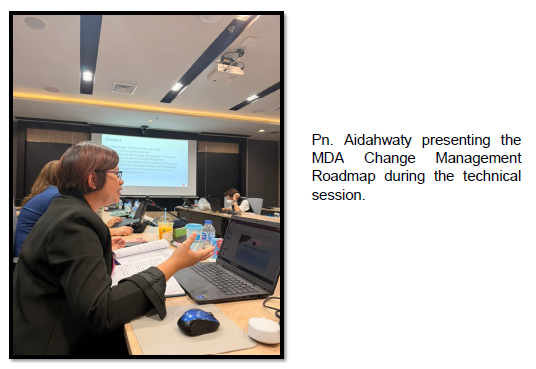
• Change Management: Introducing the Predetermined Change Control Plan (PCCP) to simplify risk-based updates for registered devices.
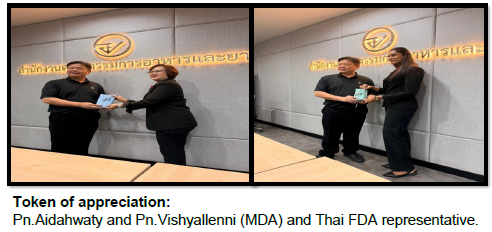
Pn. Aidahwaty and Pn. Vishyallenni shared Malaysia's experience in developing a simplified Change Management Framework, positioning MDA as a regional leader in proactive regulation.
Successful Pilot: The Regulatory Reliance Pathway
A key highlight of the visit was the review of the MDA-Thai FDA Regulatory Reliance Pilot Project, which has been operational since February 2026. This mechanism allows for expedited registration by leveraging existing approvals from either authority.
Pilot Performance (as of 8 April 2026):
• MDA (Malaysia): 15 devices successfully registered, with 6 more under evaluation.
• Thai FDA (Thailand): 4 applications currently in the assessment pipeline.
A Future of Mutual Recognition
Following the positive outcomes of the pilot, both agencies have committed to a permanent Mutual Recognition agreement. This integration will turn the reliance mechanism into a standard operating procedure, drastically reducing bureaucratic hurdles for industry players in both nations.
A formal joint announcement detailing the full integration of these registration processes is expected shortly, further solidifying Malaysia and Thailand as the primary medical device hubs in the ASEAN region.